


BACK TO BLOG
Tooth Broken Off at Gum Line with No Pain: What You Need To Know
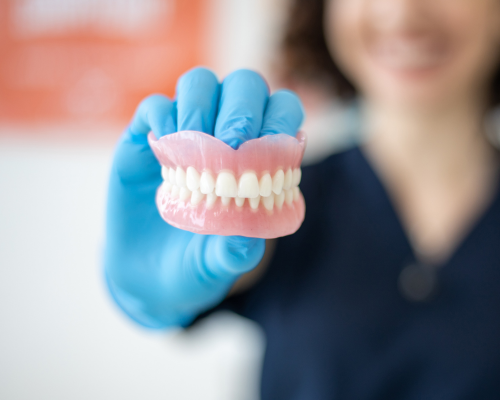
A broken tooth can be a distressing experience, especially when it breaks off at the gum line. While it may seem alarming, the good news is that if there’s no pain associated with the break, there might be options to address the situation. In this blog, we’ll explore the causes of a tooth breaking off at the gum line, potential risks, and steps you can take to manage the situation effectively.
What to Do if Your Tooth Has Broken Off at Gum Line, No Pain?
- Understanding the Causes: Begin by explaining the common reasons why a tooth may break off at the gum line. This could include factors such as decay, trauma, or weakened enamel. Understanding the cause can help individuals assess their own situations and take appropriate action.
-
Assessing the Severity: Not all broken teeth are created equal. Some may involve only a small portion of the tooth, while others might extend deeper into the gum line. Discuss how the severity of the break can influence the necessary steps for treatment.
-
No Pain, No Problem? Explore the phenomenon of a broken tooth without accompanying pain. Explain that the lack of pain doesn’t necessarily mean there’s no issue; it could be due to the absence of nerve exposure. However, caution readers that even painless breaks should be addressed promptly to prevent complications.
-
Potential Risks: Elaborate on the potential risks associated with leaving a broken tooth untreated. This could include increased vulnerability to decay, infection, and the possibility of the break worsening over time. Emphasize the importance of seeking professional dental advice.
-
Immediate Steps to Take: Offer practical advice for individuals facing a broken tooth. This might include gently rinsing the mouth with warm water, avoiding chewing on the affected side, and refraining from attempting to fix the tooth themselves. Encourage them to schedule a dental appointment as soon as possible.
-
Professional Dental Care: Stress the importance of consulting with a dentist for a thorough examination. Explain that a dental professional will assess the extent of the damage, discuss treatment options, and create a personalized plan to address the issue.
-
Treatment Options: Discuss potential treatment options based on the severity of the break. This could range from bonding and dental crowns for minor breaks to more involved procedures such as root canals or extractions for more severe cases.
-
Preventive Measures: Conclude the blog by highlighting preventive measures to protect teeth from breaking in the future. This might include regular dental check-ups, maintaining good oral hygiene, and being cautious of habits that could contribute to tooth damage.
Tooth Broken Below Gum Line Treatment
When a tooth is broken below the gum line, it requires careful assessment and professional treatment. The treatment approach depends on the extent of the break and whether the tooth’s nerve is exposed. Here are potential treatments for a tooth broken below the gum line:
-
Extraction: If the break is severe, extraction may be necessary. The dentist will remove the remaining part of the tooth to prevent infection and other complications.
-
Root Canal Therapy: If the break exposes the tooth’s pulp (nerve), a root canal may be recommended. This involves removing the damaged pulp, cleaning the area, and sealing it to prevent infection.
-
Crown Lengthening: In cases where a portion of the tooth is below the gum line but can be salvaged, crown lengthening may be performed. This involves reshaping the gum and bone to expose more of the tooth, allowing for the placement of a dental crown.
-
Dental Crown: After the tooth is prepared, a dental crown can be placed over it to restore its function and appearance. This is a common treatment for teeth broken below the gum line that can be saved.
-
Dental Implant: If the broken tooth cannot be saved, a dental implant may be considered. This involves surgically placing an artificial tooth root into the jawbone and attaching a prosthetic tooth.
-
Periodontal Treatment: Broken teeth below the gum line can increase the risk of gum disease. Periodontal treatments may be necessary to ensure the health of the surrounding gums.
Broken Molar Solutions at McKee Dental Associates
Experience comprehensive dental care at McKee Dental Associates. Our skilled team offers personalized solutions for broken molars, including advanced assessments, crown lengthening, and custom dental crowns. Trust us for compassionate care, restoring your smile’s strength and aesthetics. Schedule an appointment today to benefit from our expertise and commitment to your oral health.